Una versión de esta columna en español se encuentra aquí.
The blessing and the curse of the web is that everything is measurable. For reporters working in newsrooms that measure the traffic of articles on a minute-to-minute basis, it can be discouraging to see fluff trump substance.
In some newsrooms, reporters are competing for
raises and bonuses based on the traffic to their stories. Editors encourage the practice, because they too have their compensation tied to traffic numbers.
It´s easy to get lots of page views with a gossipy piece about a celebrity, but is the site serving its community and adhering to its editorial standards by chasing the numbers?
That is the million-dollar question for journalists working in the digital world.
Worthless users and worthless page views
To illustrate the value of loyalty over volume, I´m going to use some graphics from the website of the
Digital Journalism Center, whose articles are published in Spanish and whose audience is Latin American journalists interested in training opportunities.
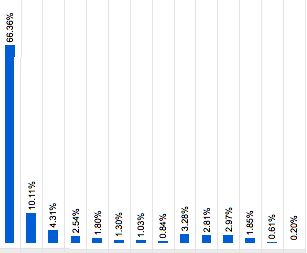
The chart below depicts the loyalty of the 15,000 unique visitors to the Digital Journalism Center´s website in the past year, using the Google Analytics tool.
Our site is typical of websites in terms of loyalty: two-thirds of the visitors came to the site only once during the year. Ten percent came only twice.
Visitor loyalty to centroperiodismodigital.org


I urge you to look at the loyalty numbers of your own site using Analytics or some other tool. You will see a graphic that follows this same pattern: the majority of your visitors are casual, infrequent. They probably find you through search engines or some other reference.
Virtually all sites follow this
"power law distribution" described by Clay Shirky in his book "Here Comes Everybody."
Loyal users have more economic value
The more-loyal users, who visited the site from nine to 200 times, make up about 10 percent of the total and are represented by the bars to the right of the graphic.
For a news site, the core of loyal readers is probably about 5 to 10 percent of the total users. This group is more likely to be of high value to advertisers who want to identify with your brand, your editorial focus and your standards. Advertisers will pay higher rates (higher CPM, or cost-per-thousand impressions) to reach them. This is where the true value of your site lies, not in those casual visitors and page views. These users are also more likely to be willing to pay for content.
For a businessman like Rupert Murdoch of NewsCorp, casual visitors are worthless. It makes sense that
he places little value on being on search engines, which bring those visitors.
Many journalists view Murdoch as an enemy of quality journalism, but he is right in this sense: publishers need to focus on those readers and users who appreciate their sites for their editorial content, not those who arrive by chance via a search engine.
(For background,
How the paywall is doing at NewsCorp´s The Times of UK;
Some sites are emphasizing fewer readers, more revenue per each.)
Alan Murray, web editor of NewsCorp´s Wall Street Journal, follows the philosophy of creating value for a small group of subscribers. The Journal puts certain "popular" content in the public part of the site but
keeps about two-thirds behind the paywall. The public stories help market the brand and put the Wall Street Journal before potential subscribers; the unique content behind the paywall rewards subscribers for their loyalty.
Page-views per visit at centroperiodismodigital.org


The graphic above shows page views per visit to our digital journalism site and illustrates the same power law distribution as the visitor loyalty graphic.
In two-thirds of the 23,000 visits to the site during the past year, the user viewed only one page. One assumes that the visitor found what he was looking for or realized that he was in the wrong place. In either case, it was one page and out. (The average number of pages viewed per visit was 2.4.)
Again, publishers and editors have to ask themselves: is it worth more to have high traffic numbers with a majority of casual visitors, or should they be looking to serve a small percentage of loyal visitors who appreciate high-quality editorial content?
It´s true that for some media outlets, the high traffic numbers have value for certain advertisers. But for the majority of websites, potential advertisers will place more value on that small percentage of loyal users who identify with a media outlet´s brand.